

What to compare before buying
 BullionVault serves that professional-market alternative through its vault and order-board format.
 JM Bullion's stronger reason to consider it is the retail product itself: the coin, bar, mint, size or condition you intend to hold. Its separate IRA and private-storage services extend that choice, but they do not turn every catalog item into an eligible retirement asset.
Who JM Bullion suits
JM Bullion fits the bullion owner who cares which physical product is acquired and where that product will be held. A saver accumulating familiar coins, a buyer comparing bar sizes, and an IRA holder selecting approved bullion have a concrete reason to examine its catalog. Someone seeking income from the holding will need another asset; coins and bars produce no recurring payment to their owner.
The company's IRA service includes help from custodian partners. That can suit a retirement saver who wants retail-product choice while retaining formal account administration. JM Bullion sells the metal; the chosen custodian establishes and administers the IRA. Dealer assistance is useful, but it does not determine whether moving retirement money fits your finances.
For a personal holding, the choice between delivery and professional safekeeping reflects access needs. Keeping a modest purchase nearby and protecting a substantial collection away from home are different objectives. JM Bullion offers both direct shipment and a separate TDS storage route. Do not open an IRA merely to obtain storage if personal ownership is the goal.
The dealer and its ownership
JM Bullion describes itself as a bullion retailer on its about page. Gold.com, then operating as A-Mark Precious Metals, announced the completion of its acquisition of the remaining interest in JM Bullion in a company release. Ownership does not determine whether a particular product quote or account arrangement is suitable; compare the current terms of the transaction you would sign.
Corporate ownership is useful background when an order or storage agreement names a related company. Identify the legal counterparty for each service and retain the agreement bearing that name. A retail invoice, an IRA agreement and a vault contract can give different organizations authority over distinct parts of the transaction. The corporate announcement does not replace any of those documents.
Choosing products for an IRA
JM Bullion's IRA page describes eligible gold, silver, platinum and palladium products and explains that a custodian sets up the account. Publication 590-B explains IRA collectible restrictions and eligible bullion exceptions. Have the account provider approve the particular product rather than only its metal category.
Request the product name, weight, quantity and condition in the order. A common bullion coin, a proof item and a collectible can have different premiums and resale markets. If a proposal includes a specialty product, ask for a standard bullion comparison and explain which features matter to you. A product's metal content alone does not reveal the total price.
Small pieces can support a partial exit; a larger bar may carry a different premium. Ask how the custodian authorizes a sale of individual items and what the vault charges for release. If an item is substituted, request a revised quote and confirm IRA eligibility again before approving it.
A dealer's order requirement and an IRA account minimum serve different purposes. Obtain the applicable thresholds from JM Bullion and the custodian separately. A small product order does not establish that an entire retirement account can be opened on the same terms. Neither threshold should determine the size of your retirement allocation.
Funding a retirement account
The sending institution must permit the proposed transfer or distribution. Access may be restricted while you still work for the employer. Check partial-transfer eligibility, required asset sales and the outgoing charge.
The IRS explains different direct, trustee-transfer and paid-to-you procedures in its rollover guidance. Agree on transfer instructions with both institutions first. A tax professional can help resolve uncertainty about account types or treatment.
Ask whether cash must remain in the IRA to pay administration and storage charges. If so, the amount transferred may not equal the amount available for the product order. Establish the billing method and the consequence of an exhausted reserve. A fixed annual fee has a larger percentage effect on a smaller account, but moving more money can concentrate risk.
Metal values can fall, and physical holdings generate no income. Decide how the holding fits your wider retirement assets, cash needs and time horizon before choosing a provider or promotion. Dealer assistance with an order is not a substitute for an account-specific allocation decision.
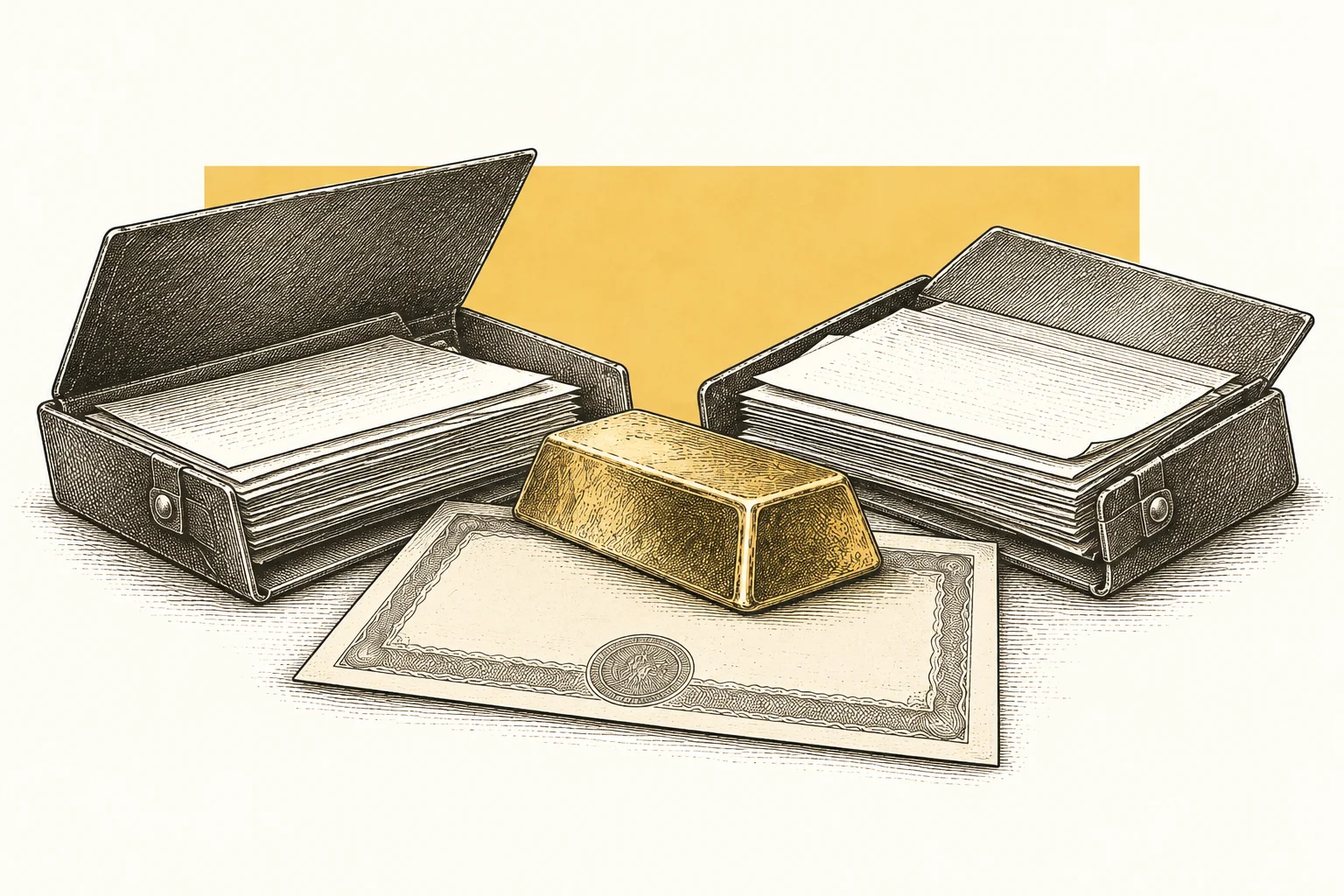
Custodian, IRA vault and private storage
IRA vaulting and TDS private storage are separate arrangements. JM Bullion's IRA information describes Dallas and Las Vegas vaulting. Its October 2026 custodian material also named New Direction Trust as one possible account provider. Have the proposed custodian identify the current facility and contract for your account; a private-storage quote does not establish an IRA charge.
For personal holdings, JM Bullion describes TDS Vaults as fully allocated storage. Its location table includes Dallas, Las Vegas, Singapore, Toronto and Zurich, with different bullion, numismatic and handling categories. The handling entry applies to check-in or checkout. A location decision therefore affects more than an annual storage rate, especially if you intend to add or remove individual items frequently.
The TDS FAQ says customers can sell directly from storage and that a retrieval request typically takes up to a week. That is a service estimate, not immediate access or a guaranteed delivery date. In-person visits depend on the selected facility's policy. Someone who needs access on demand should weigh those restrictions against the security benefit of keeping the metal away from home.
JM Bullion says it arranges transport to the chosen storage location and insures the metal in transit. That statement concerns the arranged movement, while the vault agreement governs the ongoing holding. Review how the contract identifies the allocated assets, what insurance exclusions apply and what property is released on withdrawal. An allocation label alone does not settle every right attached to a particular coin or bar.
A transfer between vaults needs an authorization path as well as a destination. For an IRA, obtain the custodian's acceptance of the receiving arrangement before asking anyone to move the assets. For a private holding, establish whether a change of facility can preserve ownership without a sale. The relevant shipment and handling costs belong to that move, rather than being treated as ordinary annual safekeeping.
Reconcile the order with the first custodian or storage statement. Product identity and quantity are more useful checks than a headline account value. A reporting estimate can differ from an executable dealer bid; a discrepancy in the number or type of items is a separate issue to resolve with the record keeper.
Payment and delivered price
The payment method can change the price you actually pay. JM Bullion's payment schedule distinguishes methods, eligible order sizes and clearance conditions. Choose a method available for your order, then compare its final amount with the competing offer. Include an outgoing bank charge if your bank imposes one.
A payment deadline, clearance date, dispatch date and carrier delivery date are different points in the transaction. A wire, card or check need not follow the same timetable. Resolve the price-lock and cancellation conditions before sending payment, particularly when an order is meant to arrive for a particular occasion. Paying faster does not by itself establish when the product will leave the fulfillment center.
The shipping policy describes USPS, FedEx, UPS and armored-car delivery, with the carrier dependent on the order's contents. Expedited service carries a surcharge. Packaging is described as discreet, without an exterior indication of the valuable contents. Those are useful features for personal delivery, but secure receipt still requires someone to plan for the parcel's arrival.
JM Bullion says its specialized third-party shipping insurance ends when the carrier obtains a signature or completes delivery confirmation. It does not describe continuing cover while the metal remains in your home. Arrange the next stage of safeguarding before delivery, and check any personal policy's bullion exclusions instead of assuming a general household limit covers the purchase.
The company requires prompt notice of a shipment problem and cooperation with its claims team under its terms. Retain the order, tracking messages and evidence of damage or non-receipt relevant to a claim. A carrier's normal liability policy should not be assumed to replace the seller's precious-metals insurance. A dispute about delivery confirmation can therefore matter even when the parcel was initially sent insured.
Account and storage costs
The account provider’s IRA charges are additional to the product quote. Request opening, annual, transaction, storage and closing fees from the named providers. Establish how charges are calculated, whether minimums apply and whether the schedule can change. A missing amount is an open question rather than a zero.
A temporary TDS storage offer is useful only for the charges and period it covers. Obtain the ordinary schedule that follows it and identify excluded handling costs. Frequent withdrawals can make a different arrangement cheaper even when the advertised initial storage period has no charge.
Compare these lines for the same product and holding period:
- Dealer price, quantity, weight and payment method.
- Delivery, insurance and any bank charge.
- Custodian account fees for an IRA.
- Vault location, storage type, recurring and handling charges.
- Sale, transfer and physical-withdrawal conditions.
If a storage fee depends on value, model several account balances. Ask how the value is measured and whether a minimum applies. A direct catalog purchase and an IRA quote are not equivalent until the custodian and vault costs are included.
Compare two delivered prices
Suppose two sellers quote identical coins for $10,000 and $9,900. Dealer A's shipping costs a hypothetical $25; Dealer B's costs $50. These are invented amounts, not JM Bullion prices. Assume the same quantity, destination and quote time.
| Cost | Dealer A | Dealer B |
|---|---|---|
| Products | $10,000 | $9,900 |
| Shipping | $25 | $50 |
| Delivered total | $10,025 | $9,950 |
| Invented extra payment charge | $0 | $80 |
| Final total with payment charge | $10,025 | $10,030 |
Dealer B is initially $75 cheaper, but its invented $80 payment charge leaves Dealer A $5 cheaper. The final totals show why the same usable payment method matters. This illustration excludes taxes, personal storage, cancellation and sale costs. It does not forecast metal prices or a return.
For an IRA, add the actual custodian and depository schedules. The fee calculator can help compare the intended holding period, but the calculation remains incomplete if an account fee or storage minimum is unknown. Match the product and service before drawing a price conclusion.

Selling to JM Bullion
JM Bullion describes telephone and online sales and lists prices for selected items on its sell-to-us page. Ask for an item-specific bid, the current transaction minimum, price-lock conditions and shipment instructions. Today’s offer cannot promise a later market.
The described sequence is to lock the sale, follow the emailed mailing instructions, and allow the inventory team to inspect and approve the items before payment is issued. A visible bid is not permission to send an unlisted item without agreement. The page invites customers to contact the company about products absent from the online selection.
Compare another buyer's net offer after shipment, insurance and payment charges. Establish how an inspection affects the offer and who pays to return declined items. For a partial sale, confirm the current minimum and whether multiple items can be combined into one transaction.
For IRA-held metal, ask the custodian whether JM Bullion or another buyer can purchase the assets, how the vault releases them and what account charges apply. Selling inside the IRA and distributing cash or metal out of it are separate steps. The IRS describes possible withdrawal tax treatment in its distribution FAQ.
Reviewing security and account records
JM Bullion's sample notice filed with the California Attorney General describes an investigation of suspicious network activity and says a limited number of individuals were affected. The published sample contains placeholders for the affected site and data elements, so it does not identify the specific information involved for every customer. The notice is the primary record; it should not be read as proof that every customer was affected.
If you receive a notice, use the contact and instructions in your own letter and verify the source before supplying information. Review the accounts and statements relevant to you and ask the company what information it needs for a transaction. Do not infer the data involved in your case from a sample with placeholders.
Keep the dealer order, custodian application, vault agreement and final statements together. Confirm the product, quantity, price-lock point and payment instructions. If a term or account detail is unclear, request a written explanation from the organization responsible for it.
Alternatives to JM Bullion
 APMEX is a relevant alternative for a holder seeking retail bullion products. Its product introduction describes coins, bars and other bullion forms. Compare an identical item rather than treating the size of either catalog as evidence of a better price.
The APMEX vs. JM Bullion comparison is useful when the physical product is already chosen and the remaining decision concerns the delivered offer. The  National Gold Group vs. JM Bullion comparison addresses a different choice: dealer-led retirement assistance versus a retail catalog route. Select the service you need before comparing its cost.
JM Bullion deserves consideration when owning particular coins or bars is central to the decision. Its ability to sell to an IRA and arrange private storage gives the same retail selection several possible homes. Those routes are strongest when their access conditions match your intended holding, rather than when a temporary benefit persuades you to accept an unsuitable account or location.
Frequently asked questions
How does a JM Bullion IRA purchase work?
JM Bullion IRA purchase work?The company describes selling eligible products for an IRA, while a separate custodian opens and administers the account. Its IRA page explains the process. Confirm the custodian, vault, eligible item and current charges before transferring funds. Ask whether the account requires a cash reserve.
Can I buy bullion for home delivery?
Yes. The company describes direct shipping on its shipping page. Compare the exact product, payment method and delivered total, then check the current insurance, signature and dispatch conditions for your destination. Request a product-specific dispatch estimate before paying. Keep the written confirmation.
How long does a sell-to-us payment take?
The sell-to-us page gives two estimates: a notice says 10+ business days after receipt, while another payment passage says 3–7 business days after receipt. Obtain an order-specific estimate with your bid. Inspection and approval precede issuance, and neither statement guarantees an inspection-to-cleared-payment interval for your chosen method.
How does private storage differ from IRA storage?
Do not assume the schedules or contracts are the same. JM Bullion describes private storage through TDS Vaults, while an IRA custodian controls its account's approved depository arrangement. Ask each provider for the applicable fees and release terms. Confirm any handling and shipment charges in writing.