
Gold IRAs near retirement
Gold IRAs near retirement require a decision about access as well as metal. Before moving a workplace account or another IRA, establish whether your plan permits the transfer and how you would obtain cash when you need it.

Check whether your plan can release funds

A physical-metal allocation can lose value and carries buying, storage and selling costs. Its suitability depends on your other retirement resources and spending plans. An adviser who understands your finances can weigh those factors without assuming that a dealer's product is necessary for your retirement.
Your workplace plan's rules determine whether a distribution is available. Being close to retirement does not by itself mean that every balance can be moved while you are still employed. Ask the plan administrator which assets are eligible, what documentation it requires and whether selling existing investments is necessary.
The IRS rollover guidance distinguishes direct rollovers, distributions paid to you and amounts that cannot be rolled over. The gold IRA rollover guide helps you prepare the details for both your current plan and the receiving custodian.
A transfer between existing IRAs is a different instruction from a distribution from an employer plan. Confirm the account type, receiving institution and method before signing paperwork. If money is paid to you personally, withholding and timing rules can matter. Your plan administrator can explain its procedures; your tax adviser can assess the consequences for you.
If the plan does not permit the movement you want, wait or consider another option. A dealer's willingness to open an account cannot change an employer plan's distribution rules. Do not move other savings merely to meet a promotional condition without first deciding whether the allocation fits your finances.
Protect the money you may need soon
Money needed for near-term spending has a different job from money you can leave invested through a market downturn. Physical metals can fall in value, and selling requires a buyer and an account instruction. Consider how the proposed purchase changes your available cash and the rest of your portfolio before choosing a product.
Write down the expenses you expect to cover from retirement assets and the sources you would use. You do not need to predict every market move to recognize a mismatch: an asset you hope to hold for years may be a poor place for money needed soon. An independent adviser can help you test the allocation against your income, cash reserves and other investments.
The allocation scenario tool can help organize assumptions. Its outputs are illustrations, not forecasts. Enter a range you are considering and look at the result alongside your other holdings; do not treat a modeled outcome as a recommendation to buy metal.
A self-directed IRA can also involve custody and storage bills. Ask how those charges will be paid if the account has little cash, and whether the custodian would need to sell an asset to cover them. A quoted annual fee has a larger practical effect when it forces an unplanned sale at an inconvenient time.
Compare the cost of entering and leaving
The amount paid for metal and the amount offered to buy it back can differ on the day of purchase. That gap is the immediate spread. It matters when your expected holding period is shorter because there may be less time for a change in the metal price to offset the transaction cost, and the price can also move against you.
Ask for a purchase quotation and an indicative same-item bid at the same time. The dealer spread guide explains why the reference market price is not the same as the amount on your invoice. A bid is not guaranteed for a later sale, so compare the written conditions as well as the numbers.
This hypothetical comparison uses invented US-dollar amounts for eligible bullion. It is not a provider quotation.
| Hypothetical transaction | Amount |
|---|---|
| Purchase price | $25,000 |
| Contemporaneous indicative bid | $23,500 |
| Initial gap, before account and storage charges | $1,500 |
| Gap as a share of the purchase amount | 6% |
An immediate sale at that bid would reduce the amount remaining even without a change in the reference metal price. For money you may need soon, the complete exit cost and settlement process matter as much as the opening transaction. A later bid can change in either direction.
Request the custodian's opening, annual, transaction and exit schedules and the depository's storage and insurance charges. Use the annual fee comparison with the actual terms. A temporary waiver can help, but compare it with the premium and the charges that begin after the benefit ends.
Ask the current plan about any investments that cannot be transferred in kind. If they must be sold, confirm the settlement process and whether the receiving custodian needs cash before it can place the bullion order. The interval between those steps can leave your assets exposed differently from the way they were invested before the transfer. That timing is a reason to understand the full route before authorizing it.
If you have a spouse or beneficiary who may need to manage the account later, ask how the custodian records beneficiaries and how it communicates with them. Keep the account and vault information accessible with your other retirement documents. The appropriate beneficiary choice and its tax implications depend on your circumstances, so review them with an adviser.
Make the sale process part of the purchase
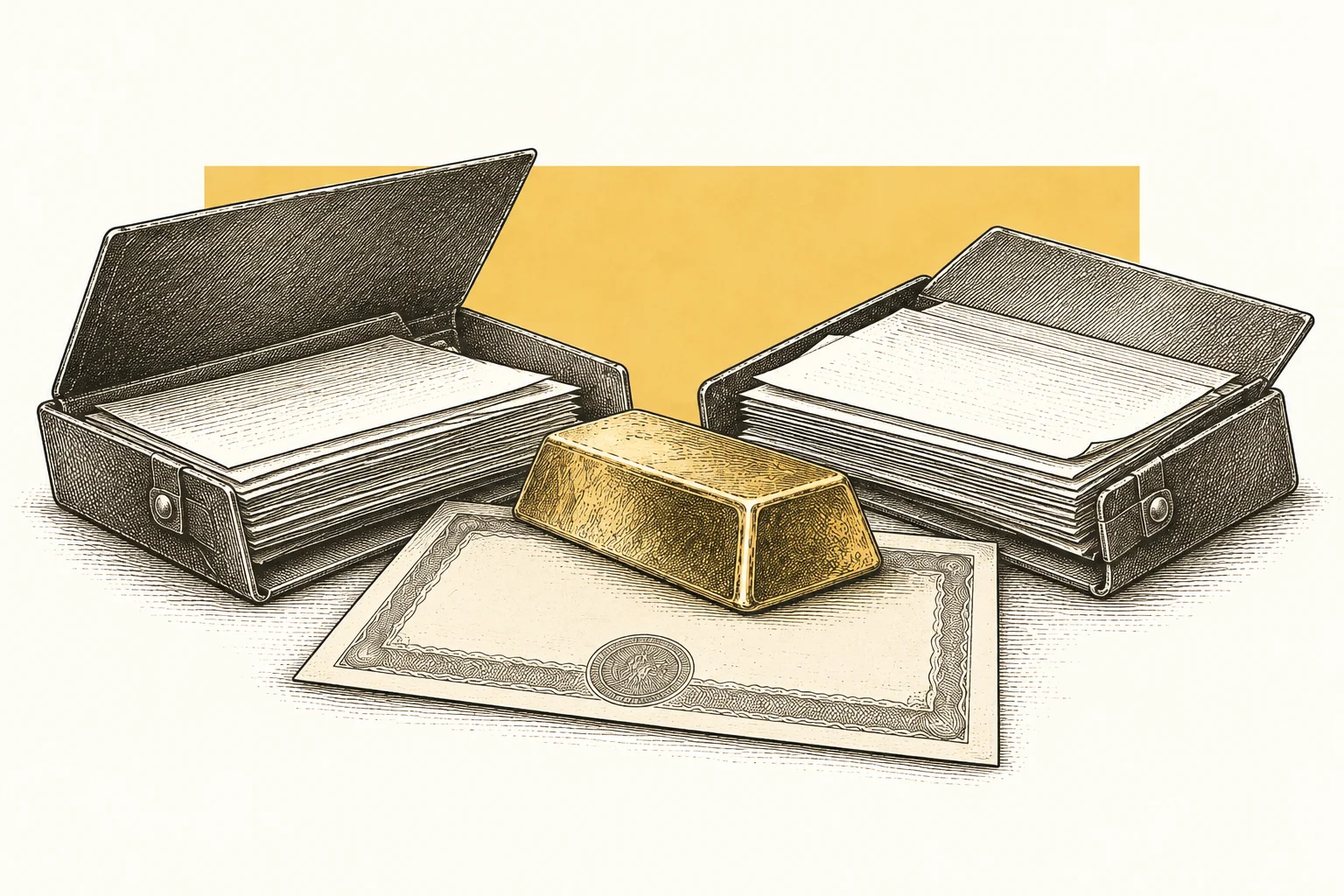
The most useful buyback policy is one that works for the amount and timing you expect to need. Ask the custodian how it authorizes a sale from the vault, where the cash proceeds remain and whether you can sell a portion. The dealer should identify the product it will quote and the conditions for fixing a price.
Denomination matters. Several smaller eligible units may let you sell part of the position without selling a larger bar, although their combined premium may differ. Request prices for the alternatives and ask the administrator about charges for each transaction. A small convenience at purchase can have a different cost when repeated sales are involved.
The selling and buyback guide covers the steps from a bid to the account instruction. Compare another buyer's offer if the custodian permits it, including any vault release, transport and inspection expenses. A headline bid is not the amount you retain until those costs are known.
If you plan to withdraw cash after a sale, ask how the custodian handles that separate request. A distribution can have tax consequences that depend on your account and situation. Do not count the proceeds as immediately available until you understand the institutions' actual processing requirements.
Check the people and storage terms
The dealer, IRA custodian and depository do different jobs. The dealer sells the product, the administrator maintains the account and the vault holds the metal. Confirm each name in the agreement and ask how the custodian values the holding on statements. A reference valuation is not necessarily an executable sale offer.
The custodian vs dealer guide helps you identify the party responsible for each question. Ask whether storage is segregated or non-segregated, what those terms mean in the contract and which risks are covered by the applicable insurance. If you want delivery later, request the custodian's distribution procedure before assuming home possession is an IRA storage option.
Compare a defined account arrangement with one that offers several custodians.  Lear Capital's review discusses its stated custodian and depository;
 Kitco's review describes participating custodians and separate private metal accounts. Neither arrangement establishes suitability or a better return. The right comparison uses the exact product, fees and exit terms offered to you.
Decide whether to move anything
The decision can be to move a portion, wait for plan eligibility or leave the account where it is. Check the consequences of selling existing investments, the full cost of the proposed metal and the cash you may need before committing. No dealer can guarantee the price at which you will sell later.
The gold IRA vs gold ETF guide describes another way to consider gold exposure, with different ownership and cost characteristics. Compare those differences with your goals and account options. A physical IRA is not automatically the better choice because it holds tangible metal.
If the proposed paperwork does not identify the custodian, vault, product and charges, ask for a complete proposal. The CFTC's precious-metals advisory warns buyers to understand dealer compensation and avoid promises of easy profits. An answer that requires immediate action is not a substitute for documents you can review.
Frequently asked questions
Can I roll over a workplace plan before I retire?
It depends on the plan and whether a distribution is available to you. Ask the plan administrator about eligibility, the assets that can move and the available method. A dealer cannot make an otherwise unavailable distribution eligible, and the tax consequences depend on the transaction.
Should money needed soon go into physical gold?
That depends on your finances and risk tolerance. Physical metal can lose value and may require a sale, vault instruction and account distribution before cash reaches you. Consider near-term spending needs and other liquid resources with an independent adviser before allocating that money.
Can I sell just part of a gold IRA?
Possibly, depending on the product denominations, buyer, custodian and vault procedures. Ask about minimum transaction sizes and per-sale charges before purchasing. Smaller units may make a partial sale easier but can have a different combined purchase premium.
Is a sale from the IRA the same as a withdrawal?
No. Metal can be sold within the account under the custodian's procedures, while a distribution to you is a separate action. The treatment of a withdrawal depends on the account and your circumstances. Ask the administrator about its process and consult a tax adviser.
Get the free gold IRA buyer's guide
Six checks to settle in writing before retirement money moves into metal: the transfer, the institutions, the product, the costs, the storage and the exit.
Open it now or save it for when your quotes arrive.
Download the PDF