

Which costs matter most?
Compare the purchase-and-resale gap, recurring custody bills, and charges that apply when moving or distributing metal. Their importance changes with the holding period and the account’s fee structure. The initial cost of metal is not simply the spot price multiplied by its weight. A dealer quotes a purchase price for a particular product, and that amount can include a premium over a reference value. The dealer's offer to buy the same product back may be lower. The CFTC calls the difference between the dealer's selling and buying prices the spread. Its physical-metals advisory recommends asking about the full transaction and the buyback terms. The gold dealer spread and premium guide explains how a reference value differs from a matching resale bid.
The other part is the account. A custodian administers the IRA while the contracted depository keeps the metal under its custody arrangement. Their agreements may specify setup, annual administration, storage, transaction or distribution charges. Ask which institution charges each amount and whether the schedule can change. A dealer's promotion may cover one fee while leaving another charge or the metal's price untouched.
Do not compare an annual fee with a purchase spread as though they were the same thing. One may recur each year, while the other is the gap between two transaction prices at a point in time.
Account and storage fees
Ask the custodian for its complete schedule before opening the account. Find out whether the charge is fixed, linked to account value, based on the number of assets, or calculated another way. Ask when the charge is assessed, whether there is a minimum and what happens if insufficient cash is available in the IRA. A schedule with several small transaction charges can matter as much as a headline annual fee, depending on how often you buy or sell.
Storage is another contract to understand. Ask the custodian which depository will hold the metal, whether the quote includes insurance, and how the facility records your holdings. Segregated and commingled arrangements can have different terms; ask whether specific items are identified and what you receive if you request an in-kind distribution. Ask the facility for the practical terms in writing. The storage guide explains the custody choices behind those terms.
Fixed charges consume a larger share of a smaller balance, and actual schedules can change. The guide for smaller IRA accounts explains how fixed charges weigh on a smaller balance.
The gold IRA annual fee comparison isolates two steady recurring bills over the same period. Use equivalent account services and one starting balance; the result excludes the metal purchase and sale, so keep those transaction costs in the wider comparison.
The  Birch Gold Group vs
 Noble Gold Investments comparison considers another pair of dealers. Compare their full proposed arrangements rather than assuming a published fee necessarily covers your chosen products and storage.
Dealer premium and spread
A premium is the difference between the product's purchase price and a relevant reference value. A spread measures the dealer’s asking price against its buyback offer. Neither number alone describes every cost. To compare sellers, ask for the same product, quantity and payment method, plus delivery or custody terms, with quotes taken close together in time.
A later bid can differ. The spread checker helps compare written quotations.
Request the total price and ask whether the buyback quotation is binding, when it expires, what quantity it covers and whether inspection or shipping charges apply. A product that appears inexpensive against a reference price can still be costly to exit if the buyback offer is low. Equally, an unusually attractive buyback statement needs clear terms before you rely on it.
For a dealer-level application of these cost categories, read  National Gold Group vs
 Lear Capital. It keeps account administration, metal pricing and later sale terms distinct instead of treating one fee line as the complete comparison.
Costs when transferring or selling
Before moving retirement funds, ask the sending institution whether it charges for closing, transferring or liquidating the existing account. Confirm how the receiving custodian handles the incoming funds and whether it charges for the transaction. Eligibility and tax treatment depend on the type of account and transaction; the rollover guide describes how a direct transfer differs from a payment you receive personally.
If a change in employment or approaching retirement is prompting the purchase, compare the bills with the money you may need soon. The gold IRA guide for people nearing retirement puts account access and the cost of entering and leaving together.
A sale can involve a dealer's bid, custodian processing and potentially shipping or inspection. Request an itemized estimate before authorizing it. If you want the metal distributed to you instead of sold, ask the custodian for the procedure, the valuation used and the associated charges. A distribution may have tax consequences based on your account and circumstances; obtain advice before making that decision.
When an account will fund withdrawals, cost also affects the cash available when you need it. The gold IRA guide for retirees connects fees and sale proceeds with the practical choice between cash and in-kind distributions.
To make a profit, proceeds must exceed the total purchase and selling costs. That is a cost relationship, not a prediction that the price will rise. Account expenses and taxes can make the individual calculation different.
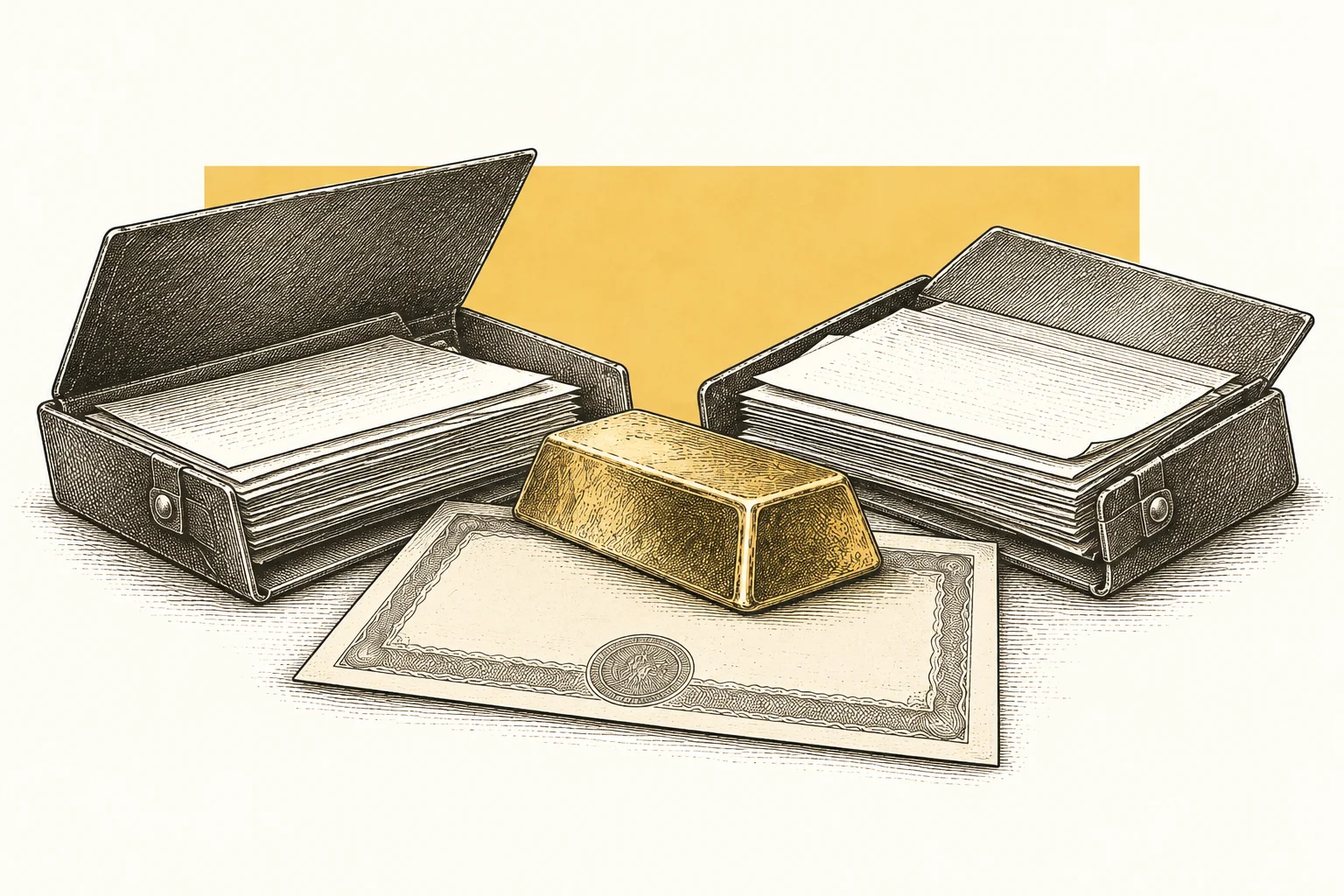
How to compare two written offers
Start with the same amount you intend to invest and the same product where possible. Record the exact price of the metal, then list each account and storage charge with its timing. Keep a separate line for the contemporaneous buyback offer. If one quote does not identify a charge, mark it as unknown and ask for the agreement rather than entering zero.
Use a reasonable holding period for the recurring charges, and identify any assumption that the fee remains unchanged. Include a realistic exit transaction if the schedule provides one. The gold IRA fee calculator provides a way to explore assumptions, but it cannot predict future prices, future fee changes or the terms of a later sale.
A comparison is most useful when you can answer these questions:
- What exact coins or bars and quantity does each price cover?
- Which custodian and depository are named in each offer?
- Which setup and recurring fees apply, and when does a promotion end?
- What is the same-time buyback quote for the identical products?
- What transaction, shipping, inspection or distribution charges could apply?
- Can the fee schedule change, and how will you be notified?
Obtain those documents before moving retirement money.
Fee waivers and promotions
A waiver can be valuable if it covers a charge you would otherwise pay, but it has a scope and an end date. Ask who pays the waived charge, which accounts qualify and whether the benefit is reflected in the custodian's documents. Then compare the entire metal transaction and future annual schedule with another offer. Do not assume an advertised waiver makes an offer cheaper overall.
The fee waiver guide sets out the terms to request. Keep the written promotion and account schedule together so you can check what happens after the introductory period. If a fee is described as free for life, ask whose life or account term is meant, which fees are included, and what conditions can end the benefit.
Compare two complete hypothetical offers
These hypothetical offers use the same item and assume annual charges stay unchanged for five years. They are not company quotes.
| Item | Offer A | Offer B |
|---|---|---|
| Purchase price | $10,000 | $9,800 |
| Same-time bid | $9,000 | $9,100 |
| Initial quotation gap | $1,000 | $700 |
| Annual custody and storage | $200 | $300 |
| Five years of annual charges | $1,000 | $1,500 |
| Gap plus annual charges | $2,000 | $2,200 |
The lower initial gap does not settle the comparison when recurring charges differ. The gap is a point-in-time quotation difference, not an annual fee or a guaranteed realized loss. Actual comparisons require matching written prices and the relevant institution schedules.
Frequently asked questions
Is there one standard gold IRA fee?
No single amount describes every arrangement. Charges depend on the custodian, depository, transaction and account terms. Obtain written schedules and a complete dealer quote, then compare the same product and holding assumptions. Treat a missing fee as a question rather than assuming it is zero.
Is the dealer spread an annual fee?
No. The spread is the difference between the dealer's selling price and buying price for an item at a point in time. Account administration and storage charges can recur separately. Both matter when you estimate the total cost of buying, holding and later selling metal.
Does a fee waiver cover the price of the gold?
Not necessarily. A promotion may cover an account or storage charge while the purchase price and buyback spread remain separate. Ask for the exact terms, duration and responsible institution, then compare the complete transaction with another written offer.
Can I avoid every cost by holding longer?
No. A longer holding period can give a market price more time to change, but it can also add recurring charges. Future metal prices and fees are uncertain. Use the actual schedule for an estimate and avoid treating the estimate as a guaranteed investment result.